

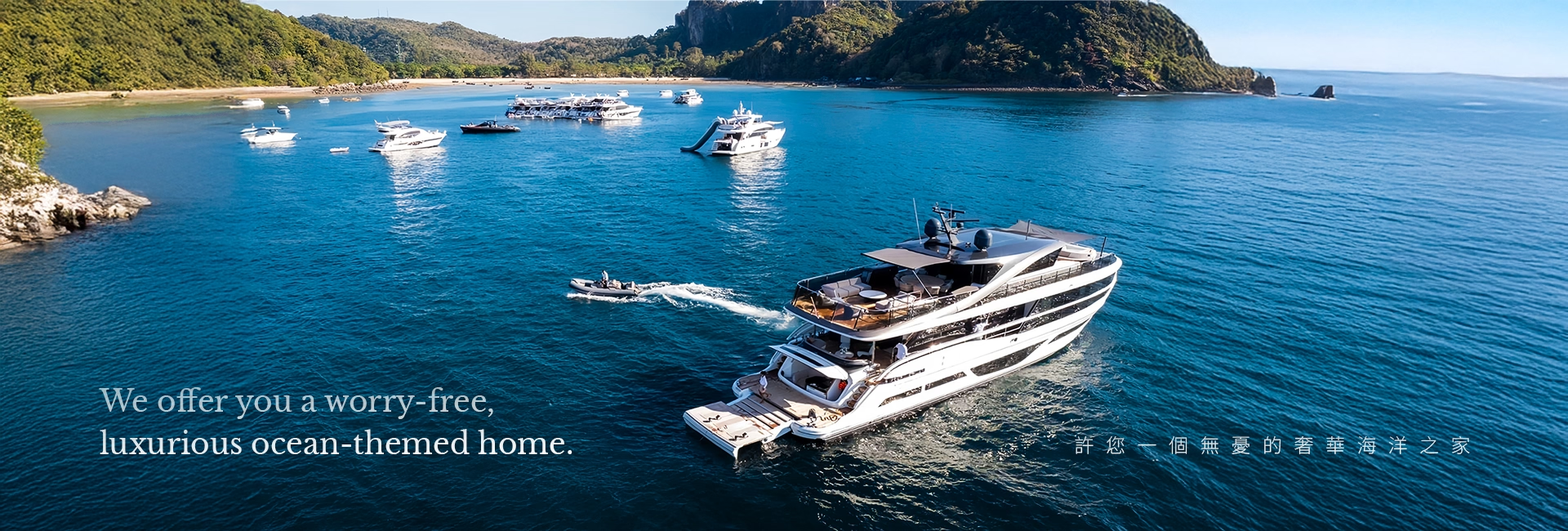
Taking a light step, you arrive at the blue seaside, where boats and sea breezes whistle by. On a long afternoon, what could be more refreshing than steering a yacht floating on the vast ocean?

However, when you start navigating these blue waters, remember that this is an activity that requires risk assessment.
To make your voyage safer, we have compiled 10 small tips to help you avoid yacht collisions and enjoy a wonderful time at sea safely!
Always Stay Alert and Choose Safe Routes
You must always stay alert, especially in busy waterways. Pay attention to vessel activity and keep an eye on maritime traffic, particularly in blind spots and congested areas. Understanding water regulations is crucial to avoid legal violations and protect yourself and other vessels.
In the water, there are important rules to follow; for instance, driving on the right side in busy waters can reduce the risk of collision.
Learn How to Use Radar, AIS, and GPS
Using equipment like radar, AIS, and GPS can significantly enhance your safety. These devices help you better understand your surroundings, including weather conditions and vessel positioning, helping to reduce the risk of collision with other boats.
Use Navigation Lights at the Right Time
At night or in foggy weather, using proper navigation lights makes you more visible to other vessels, thereby reducing collision risks. Ensure your navigation lights are in good working order and comply with legal requirements.
Respond Cautiously to Maritime Weather Changes
Weather is extremely important for yacht navigation. If the weather changes suddenly, seek a safe harbor immediately to prevent storms and adverse conditions from damaging you or your boat.
Follow Maritime Traffic Rules
Adhering to maritime traffic rules is essential. To reduce collision risks, you need to understand and comply with local water and maritime regulations. These rules help you navigate properly and handle encounters with other vessels correctly.
Refer to this article: Yachting Life - Day Cruising Essentials and Details (Owner's Collection)
Ensure Quality and State of Mooring Ropes and Fenders
Ensuring your mooring ropes and fenders are in good condition keeps your boat stable and helps other vessels identify your position better. Check these items regularly to ensure they function correctly.
Additionally, perform regular inspections and maintenance on your yacht and equipment, including clearing seaweed, changing oil, and servicing engines.
Move Slowly When Approaching or Leaving the Shore
Take care and move slowly when docking or departing, especially in high-traffic areas. Ensure you drive slowly and carefully when approaching docks, buoys, or other boats.
Refer to this article: How Well Do You Drive? It Depends on Your Composure When Entering/Leaving Port
Regular Training for Yourself and Passengers
If you are a beginner or have passengers on board, ensure they know how to respond to emergencies. If possible, consider professional navigation training.
Maintaining good communication with your companions is important to ensure proper interaction with other vessels and reduce collision risks. On board, use radio and communication equipment to stay in contact with others.
Another article on how to properly train your passengers
Prepare the Right Emergency Tools
In emergency situations, having the right tools is vital. For example, prepare life buoys, handheld VHF radios, and first-aid kits. These increase safety for you and others on the yacht, avoiding collisions and other risks.
Refer to this article: Do You Know Your Yacht Safety Equipment? (Maritime Safety)
Maritime Right-of-Way: Yield to Others, Do Not Rush
Finally, remember to yield to others and do not rush. When encountering other vessels, stay calm and provide enough space and time so everyone can pass safely.
When you step onto your yacht, remember these 10 tips. Stay alert, know the regulations, use technology, use lights properly, avoid alcohol, follow traffic rules, maintain gear quality, move slowly, and communicate well with companions.
If you and your passengers are familiar with these tips, you can sail safely and freely on the ocean. Have a wonderful sailing experience!
Ready to Get Your Yacht License? (Read This Before You Register)