

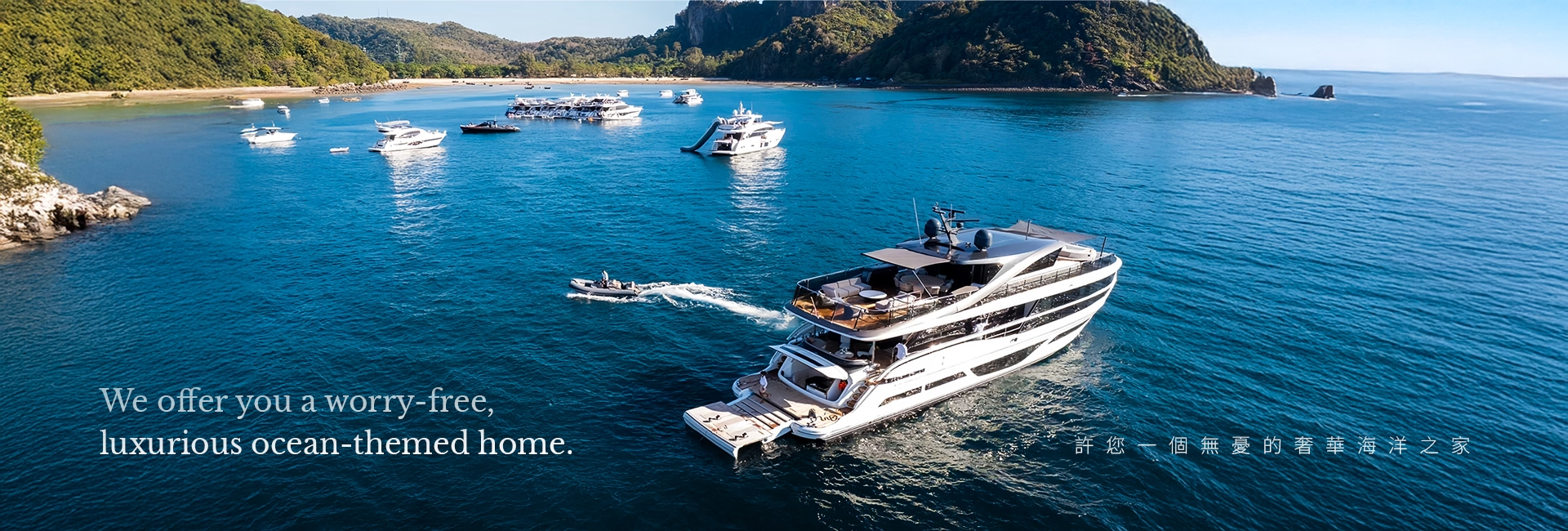
Sailing is always full of infinite possibilities; however, when encountering sudden winds and waves, these possibilities can turn into dangers. In such situations, an anchor windlass can become your best ally. In this article, we will delve into the various applications and importance of the bow anchor windlass.

What is an Anchor Windlass?
An anchor windlass is a device used to control the anchor chain or rope, typically installed on the bow of a boat. It can rapidly deploy or retrieve the anchor chain or rope to maintain the vessel's stability in unstable sea conditions.
Types of Anchor Windlasses
There are many different types of anchor windlasses, each with its unique features and advantages. The following are some of the common types:
Electric Anchor Windlass
The electric anchor windlass is one of the most common types on the market. It can be controlled via buttons or a remote control, making it extremely convenient. Furthermore, it features rapid deployment and retrieval functions, allowing for quick vessel control in emergency situations.
Pneumatic Anchor Windlass
Pneumatic anchor windlasses typically use compressed air or hydraulic power as their energy source. Their advantage lies in their ability to withstand higher loads, making them suitable for larger vessels.
Manual Anchor Windlass
The manual anchor windlass is one of the most basic types, usually controlled by a manual crank or gears. Although their operation speed is slower, they are highly reliable and easy to maintain.
The Importance of an Anchor Windlass
The importance of an anchor windlass is self-evident. Under the impact of wind and waves, the rapid deployment and retrieval of the anchor chain or rope can maintain vessel stability, preventing drifting and damage. Additionally, it plays a vital role when an emergency stop is required.
Which vessels are suitable for an Anchor Windlass?
In fact, any vessel that needs to moor at sea can utilize an anchor windlass. Whether it is a commercial vessel, a fishing boat, or a private yacht, an anchor windlass provides necessary safety protection. Especially in rough seas, it helps the vessel maintain stability and avoid drifting or damage. If you are an experienced captain, you are likely already familiar with its operation. For novices, we recommend undergoing proper training before use to ensure the safety of yourself and your vessel.
Differences between Horizontal and Vertical Windlasses
Anchor windlasses can be mounted horizontally or vertically, with each installation method having unique pros and cons. Here are some of the differences:
Horizontal Windlass
Horizontal windlasses typically use a mechanical transmission system, allowing for faster deployment and retrieval of the chain or rope. Furthermore, they can be integrated with other devices, such as anemometers and wind vanes, to enhance vessel stability and safety.
Vertical Windlass
Vertical windlasses generally use electric or pneumatic systems and can be installed in tighter spaces. Additionally, they are often easier to maintain and service due to their simpler structure.
Overall, both horizontal and vertical windlasses have their distinct advantages and disadvantages; the choice should be based on your specific needs and budget.
How to use an Anchor Windlass?
Using an anchor windlass requires skill and experience. Here are the basic steps:
- Find a suitable mooring location. This requires observing wind direction, currents, and surrounding vessels, as well as the depth and seabed geology of the location. Always adhere to local navigation regulations and customs to ensure safety and avoid fines.
- Prepare the anchor chain or rope. Check that the chain or rope is strong and durable enough to handle local wind, waves, and tides. Ensure it is correctly connected to the windlass and the vessel to prevent safety hazards.
- Press the "deploy" button on the windlass to release the chain or rope. This requires technique to avoid excessive release and to ensure the vessel is moored in the correct position. Monitor the vessel's status after deployment to ensure safety.
- Once the vessel is stopped, press the "retrieve" button. This also requires technique to ensure the vessel leaves the mooring position safely. Check the surrounding vessels and tides before retrieving to avoid danger.
Overall, using an anchor windlass requires careful planning, skill, and experience to ensure safe and effective mooring.
Two things you must NEVER do with an Anchor Windlass!
Rule 1: Do not use the windlass power to drag the boat toward the anchor.
This causes excessive wear and will surely shorten its lifespan, leading to untimely repairs or replacements. Unless you are ready for a new one, you should drive the boat toward the anchor position and use the windlass only to take up the slack. You may need an assistant to observe the rope situation while you maneuver from the helm.
When placing the anchor in the bow roller, never maintain continuous pulling power, as this will damage your boat. Try to get the anchor in place by using short, intermittent bursts on the switch.
Rule 2: Do not use the windlass as a cleat.
Even moderate wind, sea waves, or swells will cause damage unless you have already ordered a replacement part. Instead, secure the rope to a cleat, just as you would on a boat without a windlass, leaving a bit of slack between the windlass and the cleat.
Use a snubber. This includes a 15-foot nylon line with a hook at one end. Hook the rope to the chain and let out more line until the load is taken up by the snubber. This prevents damage and acts as a shock absorber, making the boat feel less heavy while anchored.
Correct usage of a windlass expands your boat's comfort and safety.
Most Popular Anchor Windlass Brands
The following are some of the most popular anchor windlass brands currently on the market. The specific choice should depend on your needs and budget:
- Lewmar 6670011108-312 Vertical Windlass
- Maxwell RC8812V Windlass
- Five Oceans Pacific 1000 Vertical Anchor Windlass
- Pactrade Marine PDSA0317 Anchor Windlass
Current Taiwan Princess inventory vessels are all equipped with Windlass bow anchor systems
An anchor windlass system makes mooring or anchoring much easier and more convenient, ensuring the vessel's safety. This is an essential piece of equipment for any vessel navigating the ocean.
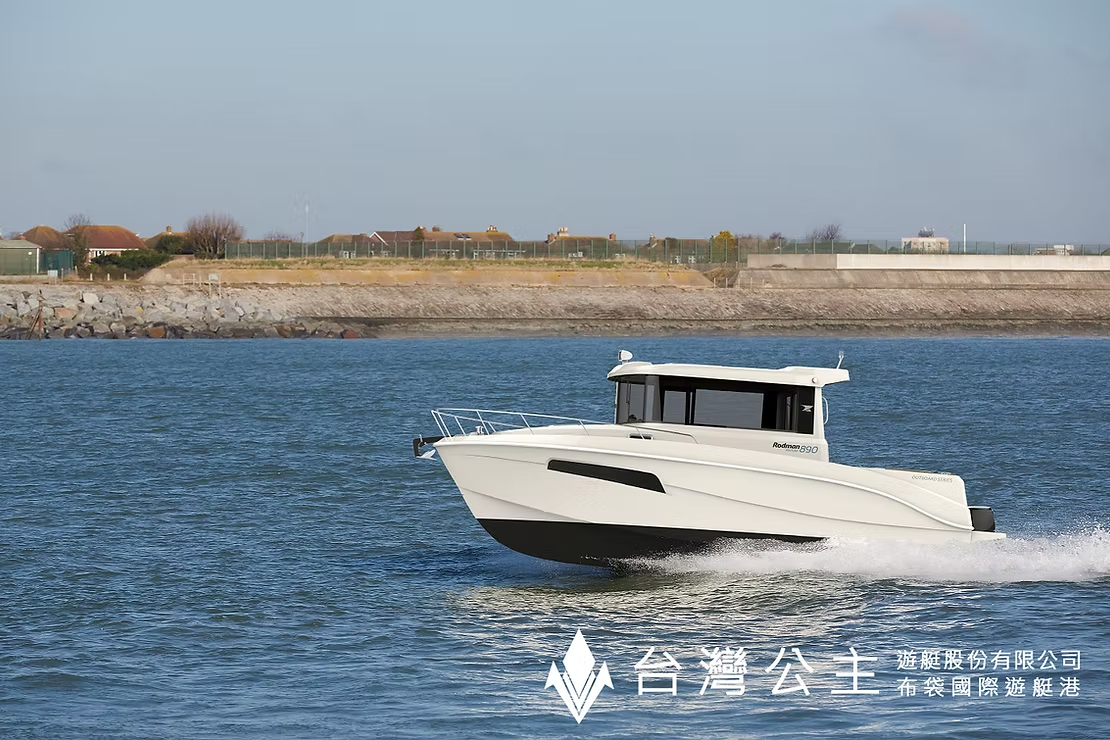
The windlass system paired with Taiwan Princess vessels enhances efficiency and safety, allowing all passengers and crew to enjoy the journey with peace of mind and comfort.
Conclusion
The anchor windlass is a vital device that protects vessels from the elements. However, using it requires skill and experience to avoid serious consequences. Please consult relevant user manuals and safety standards before use to ensure the safety of yourself and your vessel.